


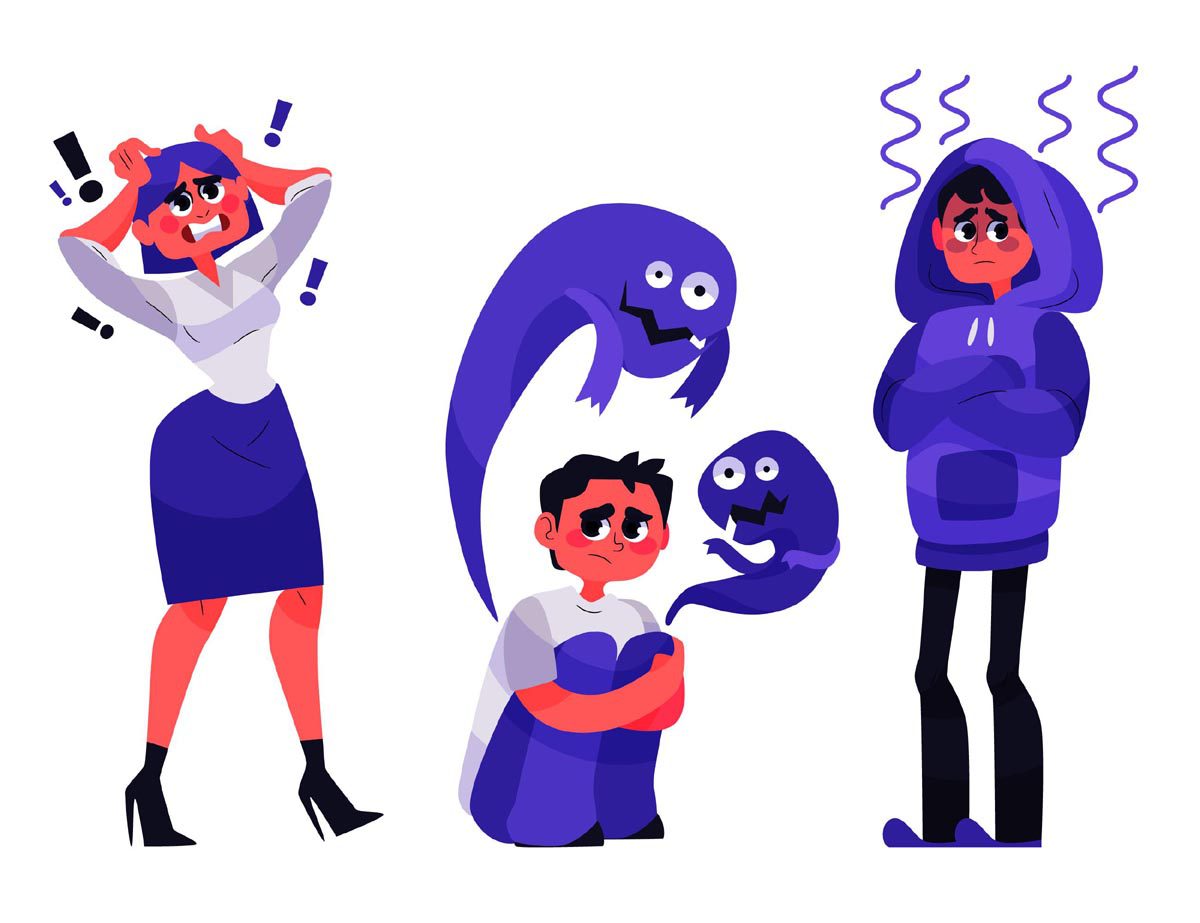
Have you ever felt your heart start beating very fast for no clear reason?
You try to breathe, but it feels hard. Your chest feels tight. Your thoughts move too quickly.
And suddenly you ask yourself, “What is happening to me?”
That is an anxiety attack. It is not a weakness. It feels very real. Your body responds as though you’re in danger, even when you’re safe.
And the worst part? It often comes out of nowhere:
- In the middle of work
- While driving
- Before a meeting
- Even when you are trying to relax
However, you must know this. Anxiety attacks may feel overwhelming, but they can be managed if you know the right methods.
So, if you are experiencing anxiety attacks, this guide will help you learn effective ways to deal with them.
In this guide, you will understand:
- What does an anxiety attack means
- Symptoms of anxiety attacks
- 15 effective ways to deal with anxiety attacks
- What not to do during an anxiety attack
By the end of this, you will know exactly what to do the next time anxiety hits.
But first, let us begin with a basic understanding of anxiety attacks.
What Is an Anxiety Attack?
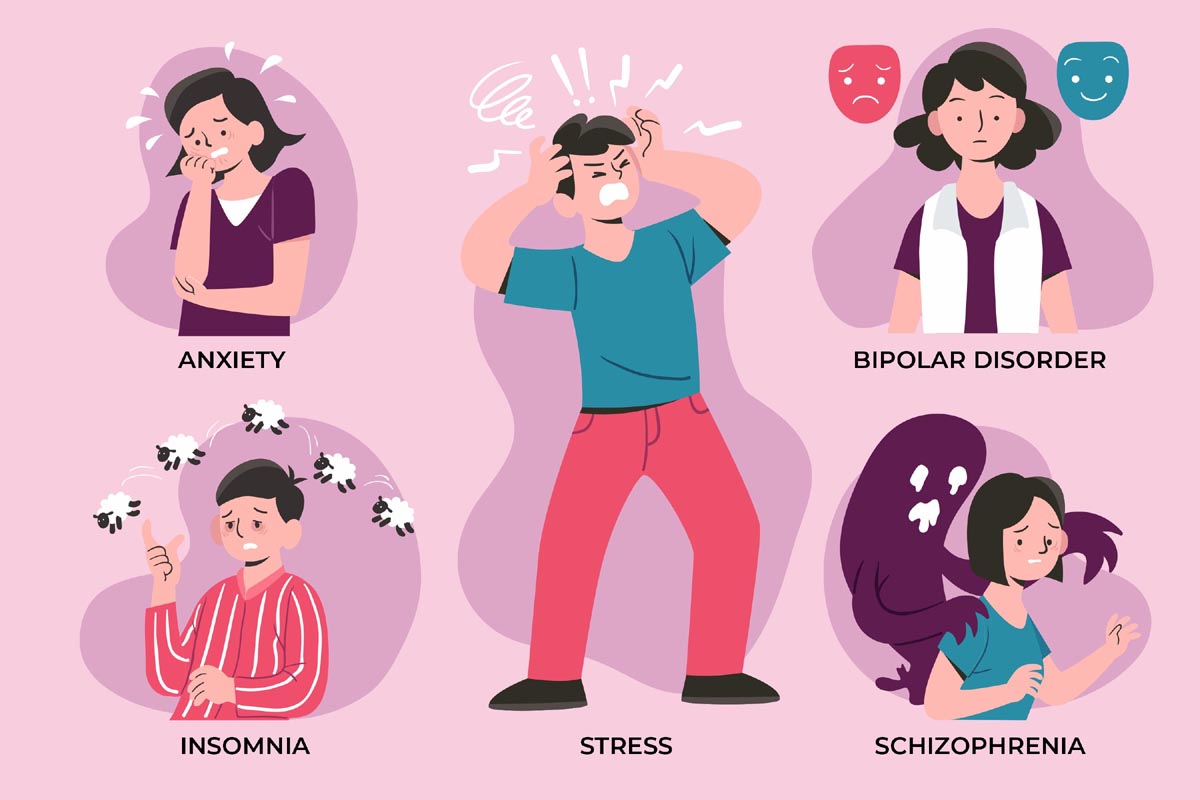
An anxiety attack is a period when you feel very worried, scared, or stressed. The feeling can become strong and hard to control.
It usually happens because of something that is bothering you. It could be work pressure, family problems, money issues, health worries, or fear about the future. Sometimes the feeling builds slowly. Sometimes it feels sudden.
During an anxiety attack, your mind thinks something is wrong or dangerous, even if you are safe. Your body then reacts by staying in stress mode.
It is important to know this. An anxiety attack does not indicate weakness. It is your body’s natural stress response becoming too strong for a short time.
Symptoms of an Anxiety Attack
Some common symptoms of an anxiety attack include:
- Intense Fear or Sense of Doom
- Rapid or Pounding Heartbeat
- Shortness of Breath
- Chest Tightness or Discomfort
- Dizziness or Lightheadedness
- Muscle Tension or Shaking
- Nausea or Stomach Discomfort
- Racing Thoughts
- Restlessness
- Trouble Concentrating
15 Effective Ways to Deal with an Anxiety Attack
Here are 15 effective ways to deal with an anxiety attack:
1. Slow Down Your Breathing
When anxiety hits, your breathing becomes fast without you noticing. That makes your heart race even more. Try this. Inhale slowly through your nose for 4 seconds. Let your stomach rise. Then breathe out slowly for 6 seconds. The long exhale tells your body that you are safe. Do it for a few minutes. You will feel the shift.
2. Use the 5-4-3-2-1 Grounding Method
Anxiety pulls your mind into scary “what if” thoughts. This exercise brings you back to right now. Look around and name 5 things you see. Touch 4 things. Notice 3 sounds. Identify 2 smells. Focus on 1 taste. It sounds simple, but it works because your brain cannot panic and focus deeply at the same time.
3. Relax Your Muscles on Purpose
When you are anxious, your body tightens without you realizing it. Clench your fists for 5 seconds, then slowly release. Do the same with your shoulders, legs, and jaw. Each time you release, your body softens. And when your body softens, your mind follows.
4. Stop Fighting the Feeling
The more you try to push anxiety away, the louder it gets. Instead, say to yourself, “This is anxiety. It feels uncomfortable, but it is not dangerous.” When you stop resisting it, the wave rises and then falls. Just like any other wave.
5. Use Cold Water
Splash cold water on your face or hold something cold in your hand. The sudden temperature change shocks your system in a good way. It slows your heart rate and interrupts the panic cycle quickly.
6. Repeat Something Reassuring
When your thoughts start spiraling, give your mind something steady to hold. Say quietly, “I am safe.” Or “This will pass.” Keep it simple. Repeat it slowly. The goal is not magic words. The goal is to calm your mind.
7. Move Your Body
Anxiety fills your body with energy as if you need to run. If you stay still, that energy builds up. Walk around. Stretch. Shake out your arms. Even a few minutes of movement helps your body release that extra stress.
8. Say What You Are Feeling
Ask yourself, “What am I feeling right now?” Then say it clearly. “I feel scared.” “I feel overwhelmed.” Putting words to the emotion activates the thinking part of your brain and reduces the emotional intensity.
9. Exercise on a Regular Basis
This is not a quick fix, but it is powerful. Regular exercise lowers your overall anxiety level. Even 30 minutes a few times a week makes your body better at handling stress. Over time, attacks become less intense and less frequent.
10. Practice Mindfulness Daily
You do not need to sit in silence for an hour. Even 10 minutes of quiet breathing or guided meditation each day helps you notice thoughts without getting pulled into them. The more you practice, the more control you feel during stressful moments.
11. Figure Out Your Triggers
Anxiety rarely comes out of nowhere. Pay attention to patterns. Is it lack of sleep? Too much caffeine? A certain situation? When you know your triggers, you can prepare for them instead of being surprised by them.
12. Cut Back on Caffeine
Coffee, energy drinks, and strong tea can make your heart race and your body feel restless. If you are prone to anxiety attacks, reducing caffeine can make a bigger difference than you expect.
13. Protect Your Sleep
Poor sleep makes your brain more sensitive to stress. Aim for 7 to 9 hours. Go to bed and wake up at the same time each day if possible. Good sleep makes you more emotionally stable and less reactive.
14. Consider Therapy, Especially CBT
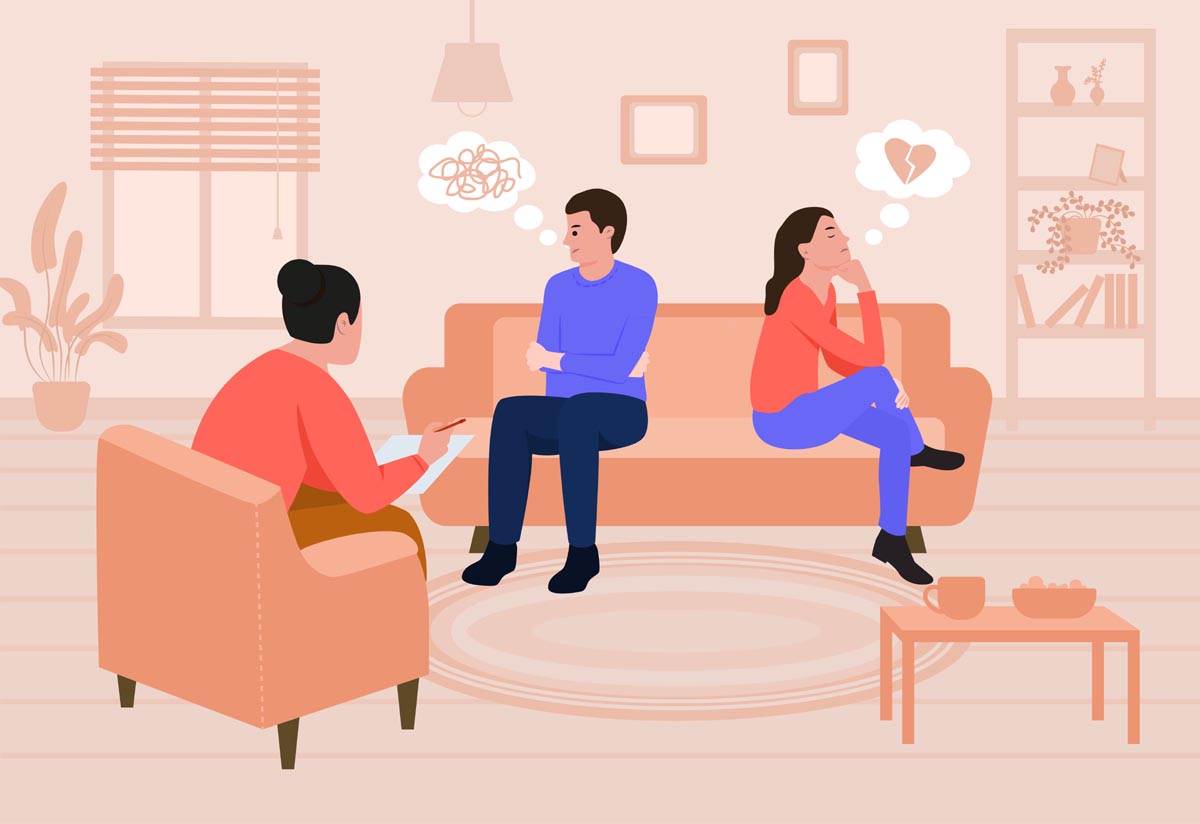
Cognitive Behavioral Therapy helps you understand the thought patterns that fuel anxiety. A therapist can teach you how to challenge those thoughts and respond differently. It is one of the most effective long-term solutions for anxiety attacks.
15. Do Not Go Through It Alone
Talking to someone you trust can instantly lower the intensity of an attack. Saying, “I am feeling anxious right now,” out loud takes away some of its power. Support makes your nervous system feel safer. And feeling safe is what calms anxiety.
These are 15 proven ways to deal with anxiety attacks.
What Not to Do
Avoiding the following behaviors can help prevent the attack from getting stronger or lasting longer.
- Do Not Run Away Immediately: Escaping the situation may feel safe, but it teaches your brain that the place was dangerous. This increases fear and makes future attacks more likely.
- Do Not Fight the Panic: Trying to force the feeling to stop often makes it stronger. Accept that it is temporary and let the wave pass naturally.
- Do Not Constantly Check Your Body: Repeatedly checking your pulse or breathing keeps your focus on fear. This fuels the anxiety cycle instead of calming it.
- Do Not Take Fast, Deep Breaths: Rapid breathing can worsen dizziness and chest tightness. Focus on slow breathing with longer exhales instead.
- Do Not Use Alcohol or Drugs to Calm Down: Substances may give short relief but increase anxiety over time. They can also trigger stronger attacks later.
- Do Not Keep Driving: If symptoms start while driving, pull over safely. Wait until you feel steady before continuing.
- Do Not Use a Paper Bag: Breathing into a paper bag is no longer recommended. It may not be safe and does not fix the root issue.
Conclusion
Anxiety attacks can feel intense and frightening, but they are manageable. They are not a sign of weakness. They are your body reacting strongly to stress.
We hope this guide helps you learn what an anxiety attack really is, common symptoms, and practical ways to deal with anxiety attacks, so you can use them the next time anxiety shows up.
And if anxiety is frequent or affecting your daily life, consider seeking professional support. You do not have to deal with it alone.


Leave a Reply