


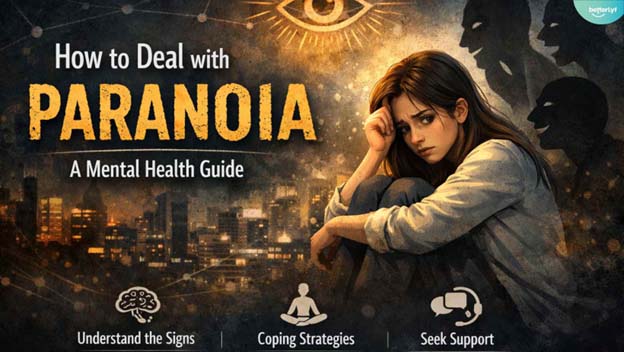
Paranoia may be like having a shadow that trails you everywhere – you can feel it, it has a faint presence and just lingers. It is able to turn even the most regular of moments into something unsafe, causing the relationship to strangle and interfere in the day to day life. Paranoia, mild or acute, can be an emotion-weakening and confusing experience. Knowing what it is, what causes it and how to deal with it can be a world of difference in regaining peace of mind.
This mental health book covers the approach to tackling paranoia in a compassionate, empirical and professional way.
Understanding Paranoia
Paranoia is not mere distrust or wariness. It is a persistent and usually overstated feeling that other people are out to harm, deceive or manipulate you. Such thoughts may not necessarily be true to the actual reality but may seem exceptionally true to the individual who perceives them.
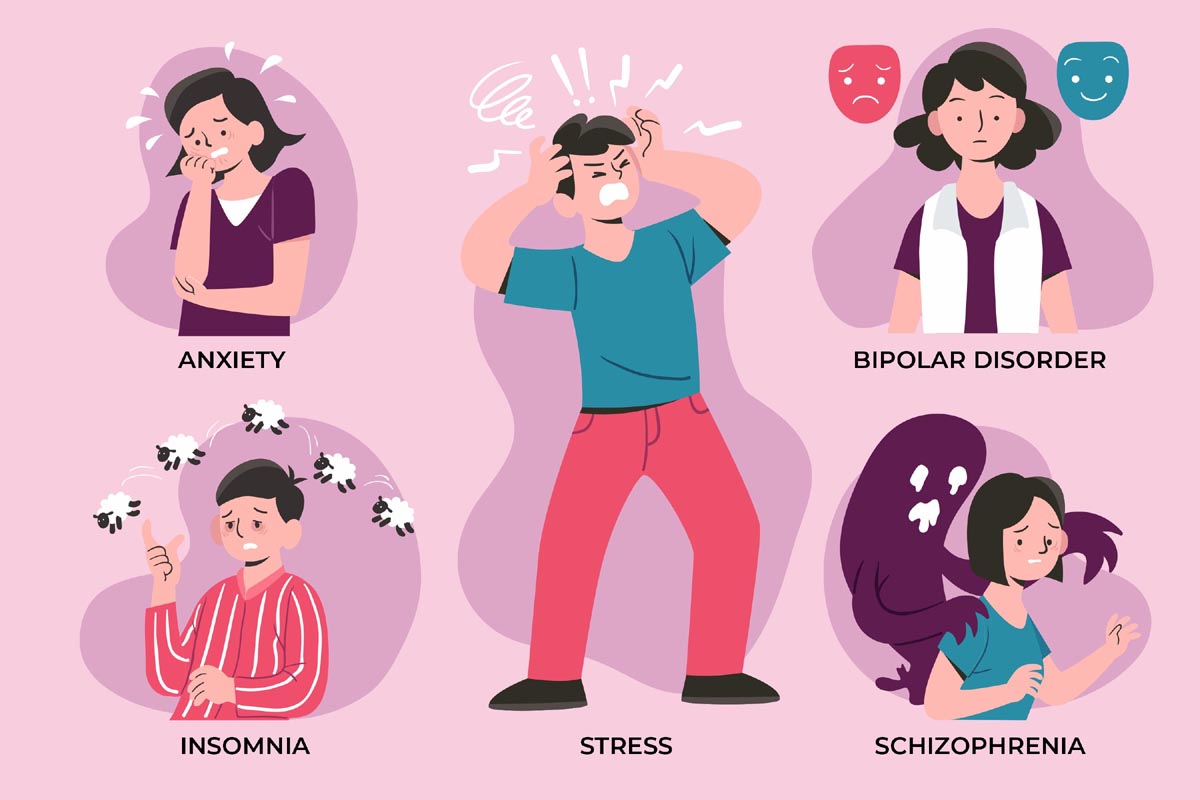
Paranoia may be a simple suspiciousness to more serious beliefs surrounding delusions. To some it can be an episodic sensation caused by stress or trauma; to others it can be a subset of a larger mental disorder like paranoid personality disorder, schizophrenia, or delusional disorder.
It should be mentioned that paranoia does not imply that a person is insane. Such experiences are usually reactionary to fear, trauma, or even chronic stress by the mind. This is one of the things to be identified to minimize shame and pave way into recovery.
Understanding Paranoia
Paranoia is not mere distrust or wariness. It is a persistent and usually overstated feeling that other people are out to harm, deceive or manipulate you. Such thoughts may not necessarily be true to the actual reality but may seem exceptionally true to the individual who perceives them.
Paranoia may be a simple suspiciousness to more serious beliefs surrounding delusions. To some it can be an episodic sensation caused by stress or trauma; to others it can be a subset of a larger mental disorder like paranoid personality disorder, schizophrenia, or delusional disorder.
It should be mentioned that paranoia does not imply that a person is insane. Such experiences are usually reactionary to fear, trauma, or even chronic stress by the mind. This is one of the things to be identified to minimize shame and pave way into recovery.
Causes
Be stemmed out by many factors- emotional, biological and environmental.
Chronic Stress: Exposure to constant high stress, anxiety and hypervigilance, may develop as suspicious thoughts.
Past Trauma: Individuals who have been abused, betrayed or neglected will develop underlying trust problems that transform into paranoia.
Sleep Deprivation: The deprivation of sleep may alter the brain chemistry making people irritable and distorting perceptions.
Use of Substance: Some drugs including cannabis, cocaine, or amphetamines may cause or aggravate paranoid thought.
Recognizing the Symptoms
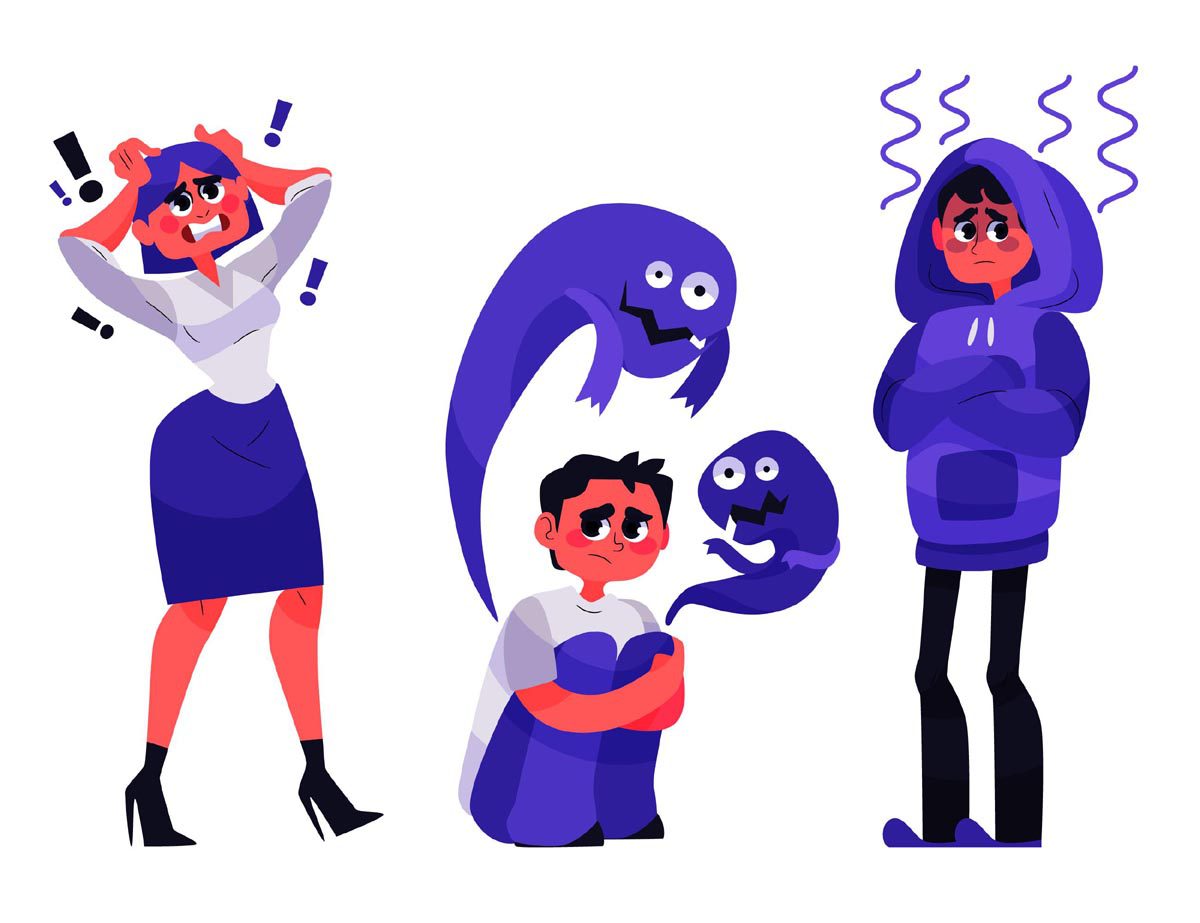
Paranoia does not appear in identical ways by all individuals but some common ones consist of:
- Feeling that other people are talking about you or plotting against you.
- Being under constant scrutiny – a feeling.
- Pertaining some neutral actions as a threat to oneself.
- Hardly anybody to trust including close friends or family.
- Disproportionate anxiety or fear with respect to the event.
When those symptoms do not subside and continue to involve the interference with normal functioning, it is time to consider paranoia, mental health treatment and coping mechanisms.
Self-Help Techniques in Coping with Paranoia
Paranoia is a condition to learn to deal with in many small yet consistent steps towards the understanding of getting your ground. The following are some of the useful paranoia support strategies:
Dispute Unhelpful Thinking
Notice suspicious thoughts and stop and ask yourself questions.
What support does this belief have and against it?
Is there a different explanation of what is going on?
Getting your thoughts down on paper and looking logically at them may assist in parting with the fear and fact.
Practice Mindfulness
Mindfulness is the ability to be in here and now. It enables an individual to fully live in the present day moment which ultimately reduces overthinking and reaching to conclusion. Taking long breathes, guided mediation works effectively on racing thoughts. Additionally, focusing on each body part such as your feet, stomach also helps one to be in the present.
Build a Support Network
It is very essential to trust those who are around you. Share your experiences with someone whom you feel safe sharing with. Making connections helps one ease however isolation may worsen the symptoms.
Healthy Routine
Stable daily routine: regular sleep, balance in the meal, and exercise are healthy to the brain and the emotional state. Symptoms of paranoia can also be avoided by avoiding alcohol and drugs which in many cases aggravate anxiety and confusion.
Keep a Thought Journal
The writing can have you tracked down on what you are thinking. Other causes can be observable like lack of sleep or stressful experiences. Being able to find these trends can help you to step in at a much earlier stage before you start paranoia.
Reduce Experiences of Stressful Stimuli
In some cases, paranoia might be driven by overexposure to distressing news, social media or conflict. Creating a healthy space in terms of what you are eating and who your companions are can provide some mental space to give healing.
Professional Assistance: Treatment and Counseling
Self-help strategies are useful but professional assistance may be essential in overcoming paranoia. The cause of paranoid thinking may be found out and healthier methods of interpreting experiences may be arrived at with the help of therapy.
Medication
In other instances, antipsychotics or antidepressants can be prescribed as a way of controlling symptoms. They are usually prescribed in the case of paranoia associated with psychotic disorder or extreme anxiety. Treatment should always be taken to a psychiatrist.
Psychodynamic Therapy:
This methodology will look into the history of past experience and emotional trauma that adds to mistrust and fear. The knowledge of your past can assist you to get over it.
CBT:
It helps in identifying automatic negative thoughts, irrational beliefs and replacing them with more rational thoughts. It eventually conditions the mind not to be afraid of situations.
Medication
In other instances, antipsychotics or antidepressants can be prescribed as a way of controlling symptoms. They are usually prescribed in the case of paranoia associated with psychotic disorder or extreme anxiety. Treatment should always be taken to a psychiatrist.
Psychodynamic Therapy
This methodology will look into the history of past experience and emotional trauma that adds to mistrust and fear. The knowledge of your past can assist you to get over it.
Paranoia Counseling Advice on Loved Ones
When a person is close to an individual dealing with paranoia, it is important to know how to act. The following are some of the caring methods:
Calm and Hear Them Out: Do not argue or attempt to make them wrong. Even by merely accepting their emotions, one displays empathy.
Avoid Minimizing their Experience: It is better not to say that it is not true, but you can say that this must be very real and scary to you.
Promote Professional Assistance: Provoke therapy or counseling without coercing it. Send them an invitation to assist them to locate a professional or visit an appointment.
The Way to Get over Paranoia
There is no black and white in recovery of paranoia: it is a learning, unlearning and a healing process. Any little bit of self-realization counts. Asking assistance is not a weakness but it is a courageous act.
In the long run, when provided with the appropriate mental health mentor in relation to paranoia, treatment, and self-help, a significant number of individuals will be able to regain control over their imaginations, and regain trust in their relationships and environments.
Incidentally, you are not what your fears are. Your paranoia could be in your present but it does not predict what you are and what your future will be like.
Final Thought:
It is difficult, but not impossible to deal with paranoia. With a combination of self conscience, healthy coping skills and professional assistance, you can put out the storm of suspicion and regain the peace of mind you are entitled to.

Leave a Reply